
After You: Why I Let My Dog Walk Through the Door First
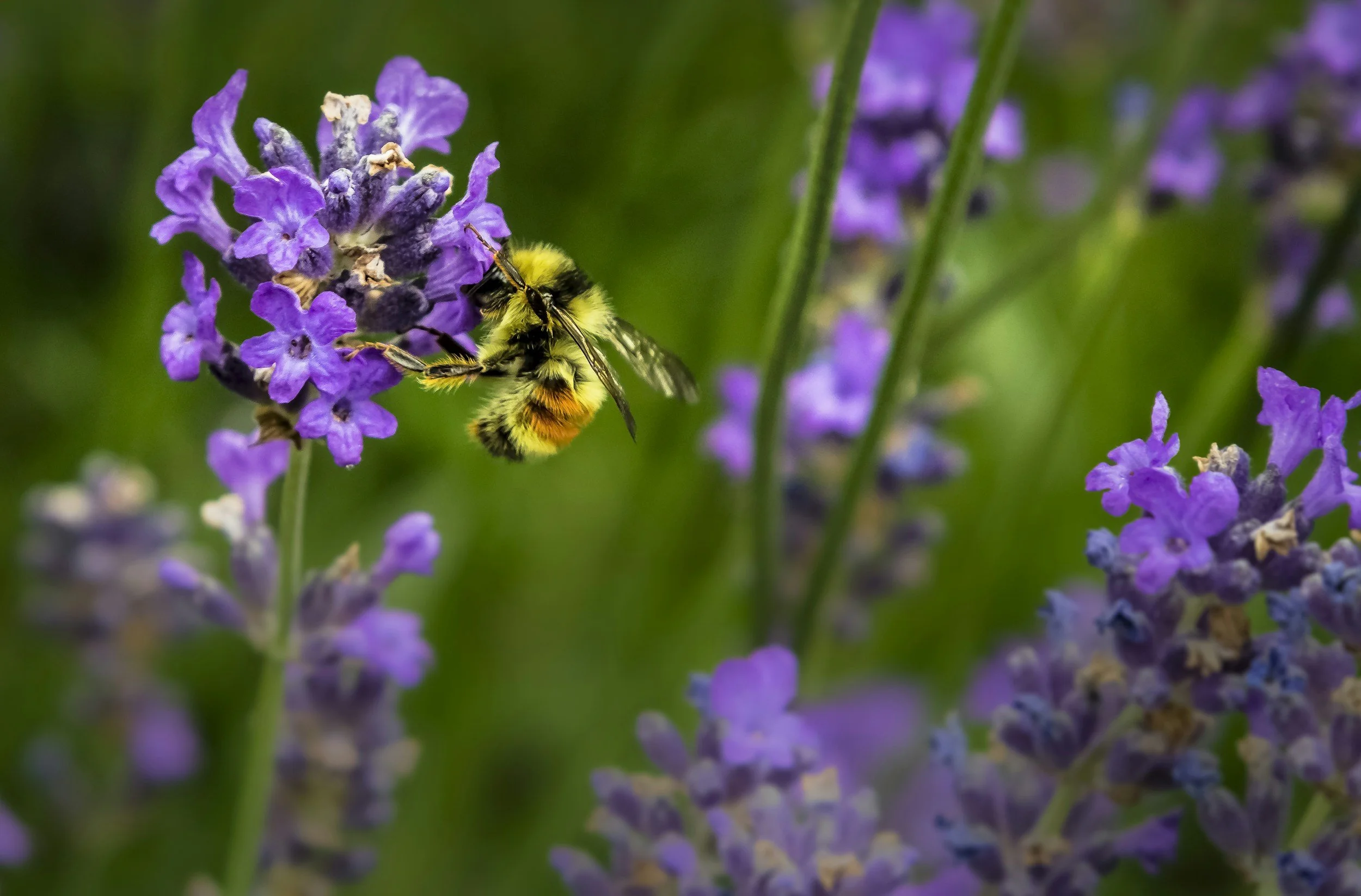
My daughter and I watched a movie last night about the lives of bees. Caught in vivid technicolor was a swarm of bees hanging on a branch in the rain. The bees worked together to stay warm, taking turns moving into the warmer center of the swarm.
As I watched the bees working seamlessly together, I wondered. Do they ever complain? Do their personalities clash? Does a percentage of bees hog time in the middle, or jet in front of their sisters like a road hog cutting off more patient humans in a line of traffic? Or have they found a way through some miracle of evolutionary persistence to work together generously, without selfishness, as it seems to those of us peering in with magnifying camera lenses?
We romanticize dogs as selfless too. We say they are loyal, unconditional, endlessly giving. But a pack of street dogs negotiating survival in Morocco looks a lot more like us than like a bee colony. Selfish sometimes. Generous other times. It depends. Homed dogs often put their own needs first, as well. Dogs guard their food and toys from humans, and we dog trainers swoop in to help mediate.
Earlier in the day I was wrapped up in the HR dealings at a friend’s small business. A personality conflict had exploded into a silent war, mediated by the management team. Of course, everyone was trying to protect themselves against dangers both perceived and real. No one felt safe enough to find a solution, because solutions require vulnerability—always.
It’s like two bees in the same family stinging each other to get their way. Or a dog and a human tugging at an expensive shoe.
One thing is clear: everyone loses in a fight.
Social species like dogs and humans have evolved to share in ways that create success through working collaboratively. Those who selfishly take without giving back are kinks in the system.
My work with dogs requires me to think creatively about resolving conflict between dogs and people in ways that help everyone win. That’s one reason that I don’t use dominance models in my training. Pinning a dog to the ground to force a dog’s behavior, might get me a fast version of the behavior I want—just like stinging a sister bee before she can get to the middle might provide me with warmth—but it’s not collaboration, it’s risky, and the results won’t last. It's why relationship-based dog training, isn't just kinder — it's more effective.
I give my dog a share of the warmth in our life.
I often let him walk through the door ahead of me, steal the warm spot on the couch, linger on a smell longer than I'd like. I even let him bark at things, a crime often perceived as bad in this odd human world. My dog and I are in this thing together. Sometimes that means I'm inconvenienced. Sometimes, because we can both be selfish, it means boundaries. It's a conversation rooted in generosity and relationship.
There is an African proverb I've clung to since my first safari, long before Disney got hold of it:
If you want to go fast go alone, but if you want to go far, go together."